The following is an adapted version of an article written by Bettina Felde-Tóth, a research fellow at the Europe Strategy Institute of the University of Public Service, originally published on the Five Minutes Europe blog of Ludovika.hu.
All member states of the European Union are parties to the UN Convention on Biological Diversity, under which they are required to prepare reports on the state of biodiversity in their territories.
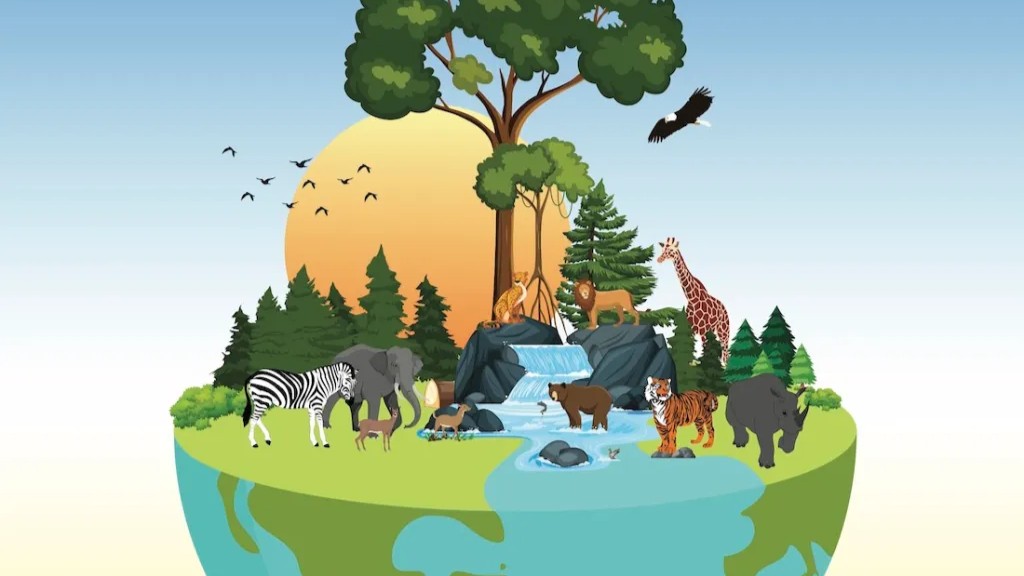
Biological diversity is the totality of living organisms on Earth and the relationships between them, that is, the organizational structure of humans, animals, plants, etc, the diversity of species and habitats, which is under constant threat, mainly from climate change. It is estimated that there are approximately 8.7 million species on Earth, of which only 1.2 million have been identified; in other words, humans still do not know much about their environment, nor do they place enough emphasis on preserving what they already know.
In order to halt this downward trend, the parties to the UN Convention on Biological Diversity (CBD) adopted the Kunming-Montreal Global Biodiversity Framework (GBF) in 2022, which aims to curb and reverse biodiversity loss by 2030 and ensure harmonious coexistence between humans and nature by 2050. This is supported by four long-term goals and 23 targets to be achieved by 2030, which focus on protecting and restoring ecosystems, halting species extinction, using natural resources sustainably, and strengthening financing and implementation frameworks.
The European Union’s 7th National Biodiversity Report shows the extent to which and the means by which the EU is contributing to the achievement of these global goals. The report is closely linked to the European Green Deal and the EU Biodiversity Strategy, which provide a strategic framework for nature conservation at the EU level.
According to the report, the state of biodiversity in the EU remains worrying. The conservation status of many protected habitats and species is unfavourable or deteriorating, particularly in the case of habitats associated with agricultural areas, wetlands, and marine ecosystems.
A significant problem is the decline in pollinator populations, which has a direct impact on food production. The main drivers of these trends include habitat conversion (for example, greenfield development), intensive agricultural practices, urbanization, pollution, the spread of invasive species, and other effects of climate change. At the same time, the report also presents positive examples, such as the increase in the populations of certain large mammals and bird species, which is due to targeted conservation measures.
‘According to the report, the state of biodiversity in the EU remains worrying’
But why is all this so important? Without biodiversity, ecosystems that provide clean air and water, fertile soil, or climate regulation will collapse. Once these systems are damaged, the issue ceases to be purely environmental and becomes economic and social as well. This process is already under way, but its pace and scale can still be influenced—among other means—through the international cooperation described above.
In many cases, however, action need not wait for global solutions. Individuals, families, and larger communities—associations, cities, or companies—can all implement measures that enhance biodiversity. Whether through planting perennial flower boxes on balconies, restoring wetland habitats on the outskirts of towns, or investing in brownfield redevelopment instead of new greenfield sites, such steps are in everyone’s interest. Moreover, they often require far fewer financial and human resources than is commonly assumed.
Read more:
Click here to read the original article.