As geopolitical realities around the Silk Road region shift and conflicts persist, Kazakhstan has chosen to further strengthen stability and economic growth through major reforms. On 20 January 2026, in his address to the National Kurultai, President Kassym-Jomart Tokayev announced a new stage in Kazakhstan’s political development. The speech outlined major goals in foreign policy, economic governance, digital transformation, and a package of constitutional and institutional reforms.
Key reforms include the establishment of the position of Vice President, to be appointed by the President with the consent of parliament. The Vice President’s primary responsibilities will include representing Kazakhstan internationally, engaging with parliament, and coordinating with domestic and foreign organizations, alongside other duties assigned by the President. Importantly, the creation of this position is not intended to dilute presidential authority, as Kazakhstan will continue to function as a presidential republic with a strong executive branch.
Additional reforms introduce a clear and unambiguous framework for presidential succession. Under the revised constitutional provisions, in the event of the early termination of a presidential term, presidential elections must be held within two months. This requirement is established as a fundamental and non-negotiable principle, ensuring continuity of governance and political stability.
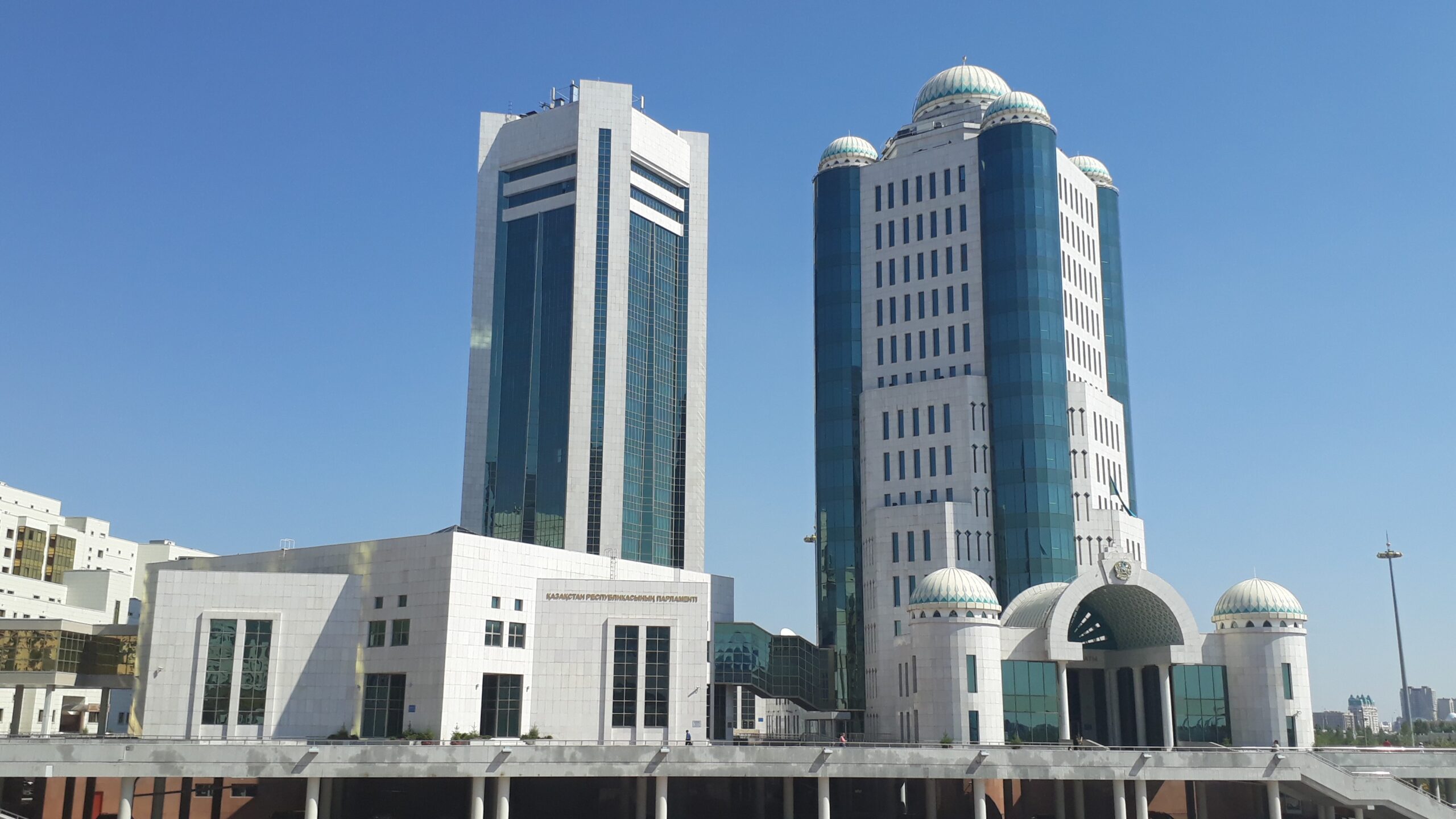
The new reforms represent a continuation of the constitutional changes initiated in 2022, which fundamentally altered the constitutional model established in 1995. A central element of these reforms is the transition toward a unicameral parliament, to be known as the Kurultai. The Kurultai will consist of 145 deputies, supported by up to three deputy speakers elected on a proportional basis, and will operate through no more than eight standing committees. This streamlined structure is intended to improve legislative efficiency while enhancing political accountability.
To further strengthen the system of checks and balances, the new constitutional model significantly expands the role of parliament in key state appointments. Under the revized framework, the appointment of members of the Constitutional Court, the Supreme Audit Chamber, and the Central Election Committee will require parliamentary consent. In addition, parliament will gain the authority to elect all judges of the Supreme Court following nomination by the president, thereby reinforcing legislative oversight over the judiciary.
‘By promoting greater transparency, accountability, and institutional stability, the new constitutional framework aims to create a more predictable political environment’
The establishment of stronger institutional checks and balances reflects Kazakhstan’s continued commitment to political modernization and governance reform. By promoting greater transparency, accountability, and institutional stability, the new constitutional framework aims to create a more predictable political environment, support market development, and enhance the country’s attractiveness to both domestic and foreign investors.
The reform will affect 77 constitutional articles, comprising approximately 84 per cent of the existing Constitution, and aims to provide a more stable, coherent, and functional institutional framework. Over the past five years, Kazakhstan has set ambitious goals to establish a clear and forward-looking path for the country’s long-term development. Much like the broader region, Kazakhstan has experienced strong GDP growth, driven in part by shifting supply chains across the Eurasian continent and the rising strategic importance of its natural resources.
In this context, Prime Minister Olzhas Bektenov announced in 2024 the objective set by President Kassym-Jomart Tokayev to nearly double the country’s GDP by 2029, with a minimum target of USD 450 billion. This goal reflects growing confidence in Kazakhstan’s economic potential and reform trajectory. The country’s expanding role in the supply of critical mineral resources, its substantial energy reserves, and a rapidly developing consumer market continue to enhance its attractiveness for foreign investment.
The current constitutional reform is expected to further reinforce this momentum by establishing a clearer regulatory environment and strengthening institutional stability. By promoting a predictable, pragmatic, and balanced foreign policy framework, the reform will help solidify Kazakhstan’s position as a reliable economic partner and an increasingly competitive destination for international investors.
Related articles: