
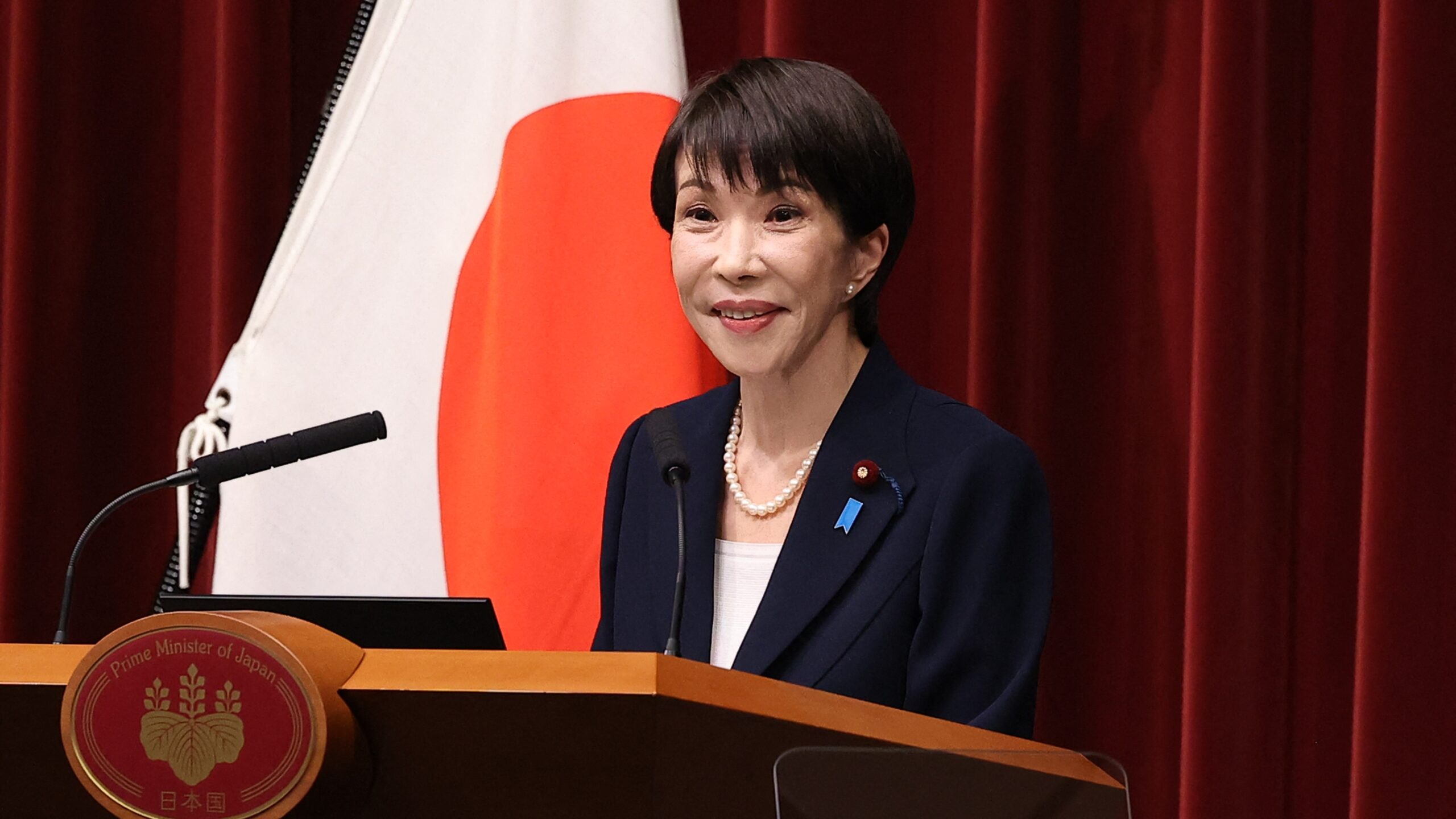
Big news out of Tokyo as Japanese PM Sanae Takaichi announces snap elections tentatively scheduled for 8 February of this year. The call for elections comes at a time when it seems the PM is at the height of her popularity. Takaichi currently enjoys an extremely high approval rating for her tenure since this past October 2025, and the intent is clear. Though she has just taken office and enjoys high public approval ratings, her party and ruling coalition do not, and they have been struggling to maintain the same level of support they have historically enjoyed.
The LDP (Liberal Democratic Party), or Jimintō (自民党) as it is known in Japan, has dominated the Japanese parliament since its inception in 1955 and has governed continuously, with the sole exceptions of 1993–1996 and 2009–2012. It is these periods—particularly 2009—that make Takaichi’s move a gamble.
PM Takaichi currently enjoys an average of approval rating around 60–75 per cent, depending on which polls you are looking at. That is extremely high and impressive. It makes sense that a Prime Minister enjoying such high approval ratings would call for a snap election to capitalize on them. It’s a common practice worldwide, from England to Australia, and has been successfully done several times in Japan. In recent years, in 2005 and 2014, Prime Minsters Junichiro Koizumi and Shinzo Abe both called for snap elections that resulted in large victories that either massively grew or consolidated the LDP’s control of the Parliament.
‘It makes sense that a Prime Minister enjoying such high approval ratings would call for a snap election’
Similar to Takaichi, Taro Aso became the leader of the LDP and Prime Minister of Japan in 2008 following internal party struggles. Inheriting the throne as he had to contend with a shrinking economy and a global recession, PM Aso took the reins of power at a time of extreme discontent. That discontent translated to a major loss for the LDP in local metropolitan races across Japan that year. Rightfully fearing that these electoral losses would have broader implications for the party, the party at the time believed that they needed to call elections as soon as possible before their approval dropped any further.
The results were a devastating loss, one the LDP had experienced only once before. They not only lost the Prime Minister’s seat but also 177 seats in the House, handing their primary opposition an overwhelming majority of over 300 of the 480 seats in the lower house of the Japanese parliament.
While this should be concerning for the current LDP party when it comes to the new snap elections, it’s important to recognize some key differences between today and 2009. The biggest point being that, unlike Aso, Takaichi has extremely high approval ratings. Back in 2009, Aso’s approval ratings had slipped down to 20 per cent. In this case, we have a Prime Minister whose approval ratings are very high, but the party’s overall ratings aren’t.
The LDP as a whole is facing a crisis. In a recent poll conducted by the Daily Opinion Radar in Japan, results show that the LDP has the support of only 28.5 per cent of respondents, while 22.5 per cent stated that they supported ‘No Party’. That is a devastating disparity, and it is the entire reason why Takaichi has called the snap elections. Banking on her overwhelming popularity, Takaichi is betting everything on her personal profile being enough to boost support for the party and secure its mandate.
The disparity can at least partially be attributed to rising discontent among Japan’s youngest and newest voters. While there is broad support amongst the youth for Takaichi personally, it doesn’t automatically translate into support for the LDP.
‘Takaichi is betting everything on her personal profile being enough to boost support for the party and secure its mandate’
However, the largest contributor is arguably the blow the LDP suffered to its brand image after its 26-year alliance with the Komeito Party fell apart earlier last year. The fallout resulted not only in then Prime Minister Ishiba Shigeru’s resignation but also in the formation of a new coalition between the LDP and the right-wing Japan Innovation Party to preserve its majority, while former ally Komeito joined forces with the LDP’s main opposition, the CDP.
Takaichi claims that internal party polling shows the LDP could potentially win a standalone majority without relying on coalition partners’ seats if snap elections are held now. However, it is unclear whether traditional LDP supporters will be so quick to back the new LDP–Japan Innovation Party alliance over their former Komeito comrades. The current snap elections are akin to the finalization of a messy divorce, with the ‘children’ needing to decide which ‘parent’ they want to go home with.
Regardless of the outcome this February, it is certain to become a textbook case of how a party—or a Prime Minister—should interpret and exploit their popularity in parliamentary politics for years to come.
Related articles: