Hungarian Prime Minister Viktor Orbán and his government have long been labelled as the ‘Russian asset’ of the European Union by the Western progressive mainstream. However, it appears that there is now another contender for the title: Belgium.
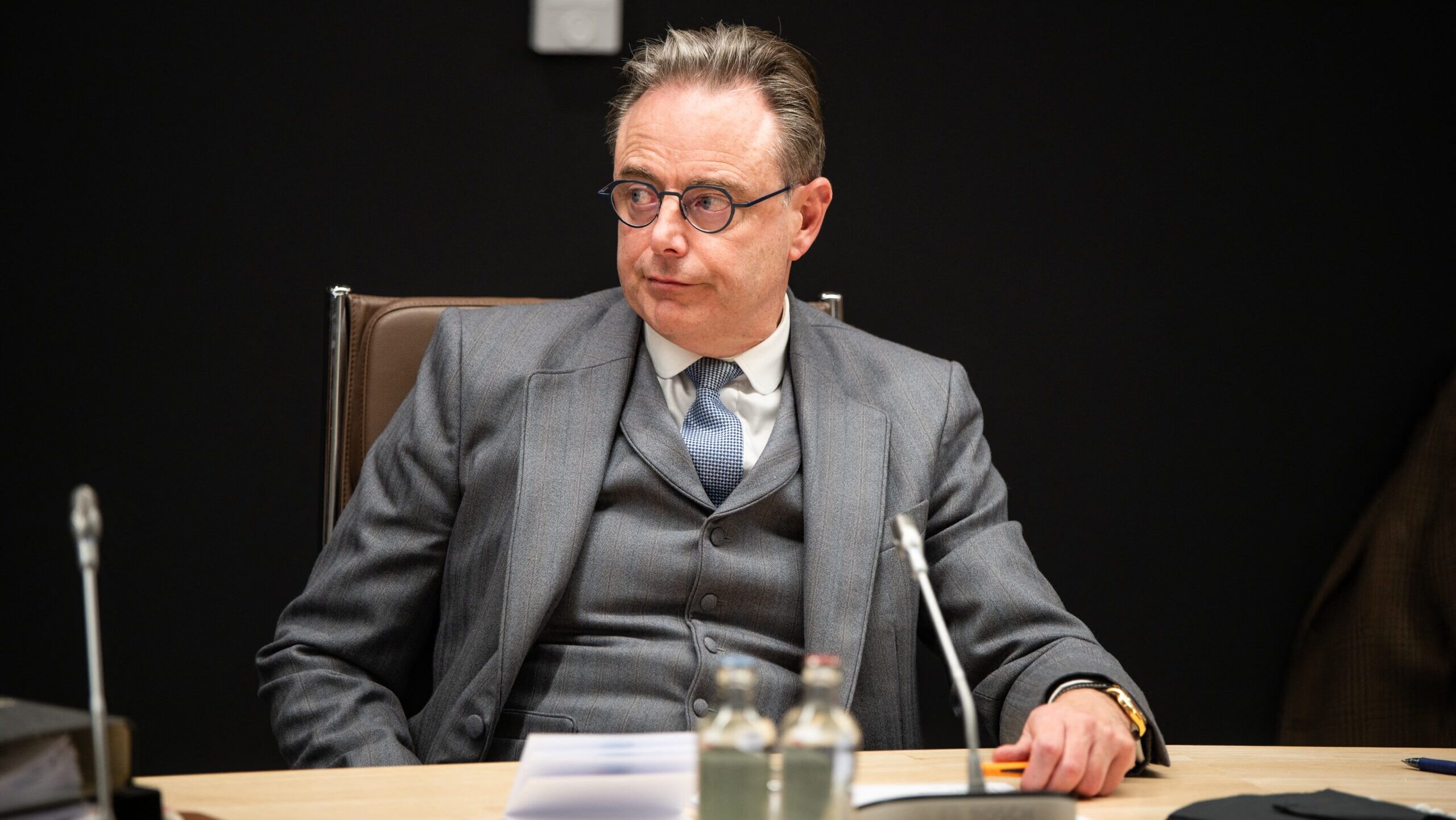
In a recently published article, POLITICO Brussels describes Belgian Prime Minister Bart de Wever as Russia’s ‘most valuable asset’. The reason? The short answer is that de Wever is among the few prime ministers across Europe—alongside Viktor Orbán—who place their country’s interests above those of Ukraine. The longer answer is that Belgium is blocking the confiscation of frozen Russian assets in a plan to provide Kyiv with a EUR 140 billion loan, citing the risks of legal and financial retaliation from Moscow.
The plan was presented to member-state leaders during an informal meeting of the European Council in October by European Council President António Costa and European Commission President Ursula von der Leyen. It envisages issuing a loan, potentially around EUR 140 billion, using the immobilized funds held by the Euroclear depository in Belgium as collateral. Ukraine would repay the loan only if and when Russia agrees to pay reparations for the damage caused by the war.
‘This is complete madness,’ de Wever said of the proposal in October, according to POLITICO Brussels. The Belgian prime minister argued that the risk of legal and financial retaliation from Moscow is simply too great. He told his colleagues that if Russia were to win lawsuits against Belgium or Euroclear—which holds the frozen assets—the country would be forced to compensate the entire amount itself.
De Wever’s concerns are not unfounded. Reacting to the Commission’s proposal, Russian Foreign Ministry spokeswoman Maria Zakharova warned that any ‘illegal action’ involving frozen assets would provoke the ‘harshest reaction’, adding that Moscow is already preparing a package of countermeasures. Deputy Chairman of the Security Council Dmitry Medvedev described the plan as a ‘casus belli’, labelling the move tantamount to outright theft.
While POLITICO reports that de Wever personally blocked the proposal, the Belgian prime minister was far from the only critic of von der Leyen’s plan. Viktor Orbán has also voiced scepticism, stating that the scheme risks reprisals against Hungarian companies and assets operating in Russia. According to media reports, France, Italy and Slovakia were among the countries that ‘did not support’ the proposal in October.
‘By pushing back against Western mainstream positions with logical arguments, Belgium immediately acquired the “Russian asset” label’
By pushing back against Western mainstream positions with logical arguments, Belgium immediately acquired the ‘Russian asset’ label. This is unprecedented in the nearly four years since the war began, as no Western European government had previously been assigned such a designation—it was used almost exclusively for Hungary and Viktor Orbán. The cases of de Wever and Orbán are strikingly similar in the sense that both leaders are resisting an EU initiative that would significantly harm their own citizens—in Hungary’s case, the proposed phase-out of Russian energy imports.
However, more countries may find themselves branded as ‘Russian assets’ as the war drags on and the European Union becomes increasingly isolated in providing financial and military support to Ukraine. Financing a proxy conflict against Russia with European taxpayers’ money will inevitably produce negative consequences for citizens, and leaders will unavoidably push back against such proposals if they threaten their political standing.
Related articles: