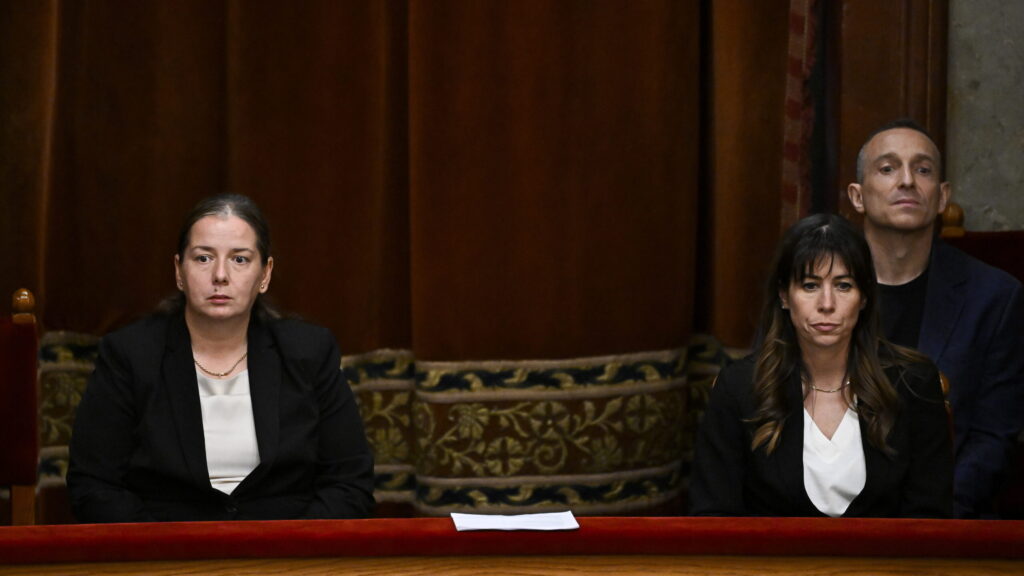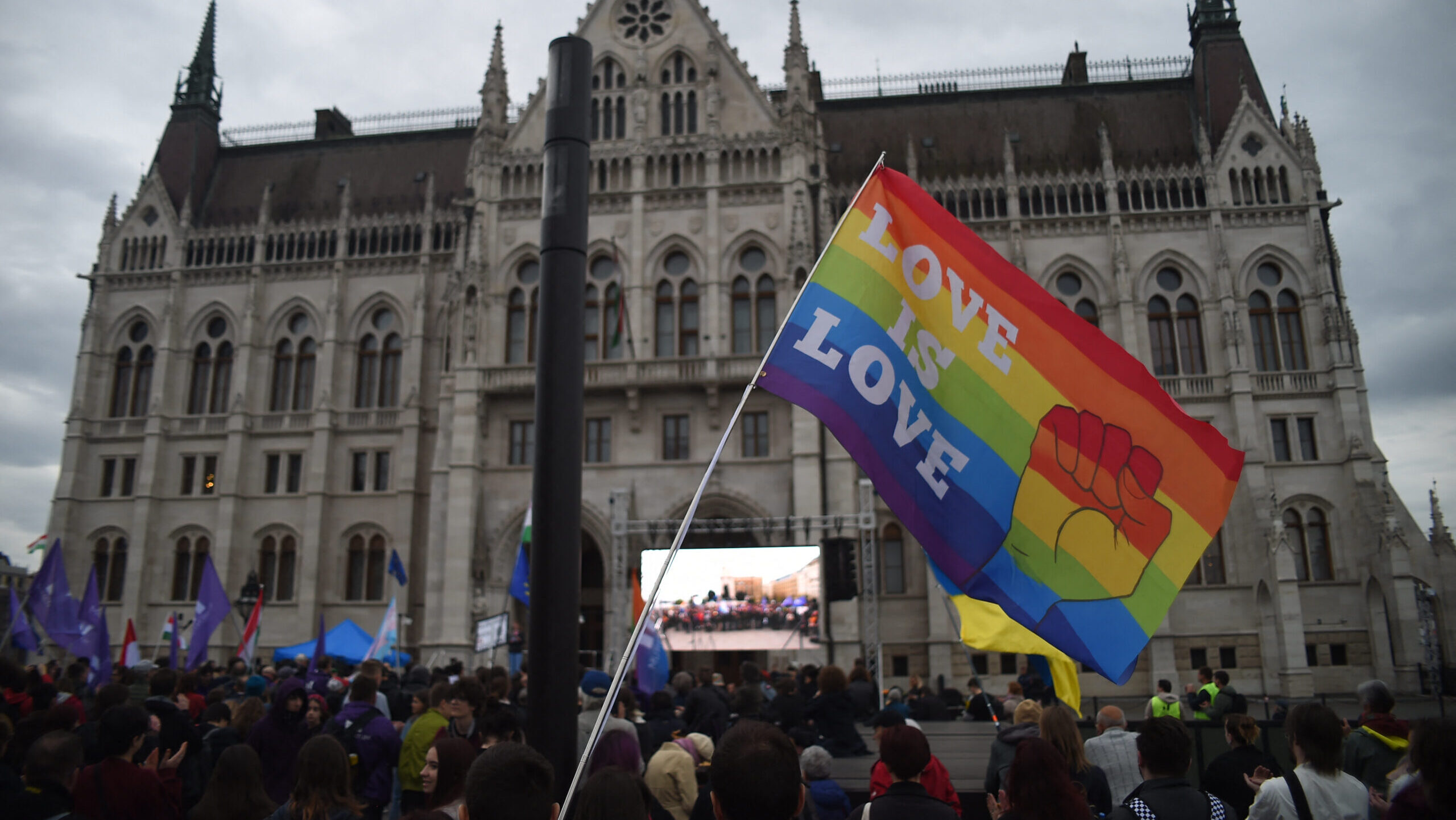
The Court of Justice of the European Union (CJEU) ruled on Tuesday that same-sex marriages should be recognized throughout the entire bloc, Reuters reports. The court made its decision with reference to a Polish case and condemned Poland for failing to recognize the marriage of two of its citizens, which had been concluded in Germany.
The two Polish citizens married in Germany in 2018 and later wished to return to Poland. They therefore requested the transcription of their marriage certificate so that it could be recognized in their home country’s civil registry. The Polish authorities refused, arguing that Polish law does not recognize same-sex marriages.
The couple challenged the decision before the Polish Supreme Administrative Court, which referred the case to the Luxembourg-based Court of Justice. On Tuesday, the judges ruled that marriages contracted in any EU member state are valid across the 27-nation bloc. According to the court, Poland was wrong to refuse recognition of the marriage of its two returning citizens.
‘If national law fails to comply with the current ruling of the CJEU, the European Commission could start an infringement procedure against the country’
‘This not only infringes the right to free movement and residence, but also the fundamental right to respect for private and family life,’ the court stated.
The decision is significant and could be the basis of legal proceedings against countries such as Hungary and Slovakia, which stand firm against the LGBTQ+ lobby and constitutionally reject same-sex marriages. Currently, in Hungary, same-sex marriages contracted abroad must be recognized domestically as registered partnership. If national law fails to comply with the current ruling of the CJEU, the European Commission could start an infringement procedure against the country. These procedures could end up in additional financial sanctions against Hungary.
However, it is important to note that, according to the ruling, the CJEU does not require member states to legalize same-sex marriage under their national legislation. As of today, 16 out of the 27 member states recognize same-sex marriage. Hungary amended its constitution in 2020 to protect marriage as the union of a biological man and a biological woman, and defines the family as based on that marriage or on a parent–child relationship. Slovakia made a similar amendment in 2025.
Related articles:
At a time when public debate is increasingly polarized and superficial, Hungarian Conservative remains committed to depth, intellectual honesty, and independent conservative thought.
Producing high-quality journalism requires resources. Your contribution helps us expand our coverage, reach new audiences, and keep our content accessible.

Please consider supporting our mission.